

How to Train Your Finance Team for a Successful E-Invoicing Rollout
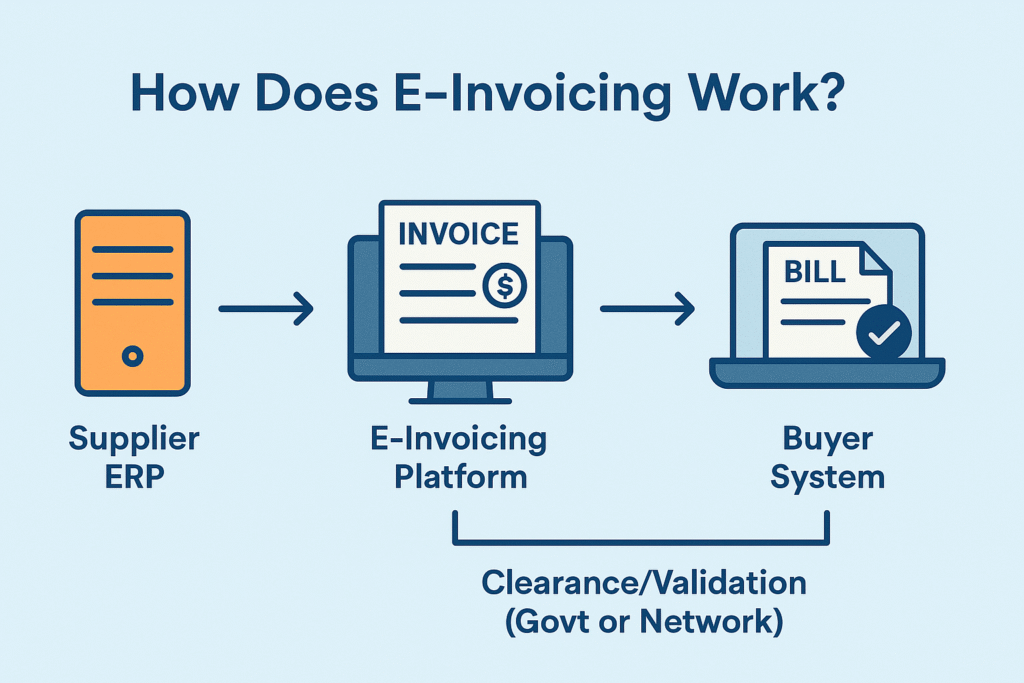
Transitioning to E-Invoicing is one of the most impactful digital upgrades a business can make. It streamlines billing, improves cash flow visibility, and reduces manual errors. However, the success of an E-Invoicing rollout depends largely on how well the finance team adapts to the new system.
Without proper training and engagement, even the most advanced software can fail to deliver its full potential. Training your team effectively ensures smooth adoption, increased productivity, and long-term sustainability.
Start with Awareness and Goal Alignment
Before introducing the new system, your finance team must understand why the organization is switching to E-Invoicing. Share the broader business goals—such as reducing paper use, speeding up payments, improving compliance, and enhancing accuracy.
Encourage open discussions about how automation will simplify their daily tasks rather than replace them. Aligning the team with the vision creates a sense of ownership and reduces resistance to change. When employees see E-Invoicing as a tool for efficiency rather than disruption, the transition becomes smoother.
Conduct Hands-On System Training
Once the E-Invoicing platform is selected, conduct practical, hands-on training sessions to familiarize staff with its interface, features, and workflows. Instead of lengthy lectures or theoretical sessions, allow employees to work directly within the system to create, send, and approve invoices.
Key training areas should include:
- Creating and validating digital invoices
- Uploading and managing supplier data
- Reviewing automated tax and compliance checks
- Tracking invoice status and payment timelines
- Generating and interpreting system reports
Hands-on learning builds confidence and helps employees adapt faster to real-world scenarios.
Appoint Internal “E-Invoicing Champions”
Every team benefit from having a few trained super-users who can guide others. Identify enthusiastic and tech-savvy employees to act as “E-Invoicing champions.” These individuals can assist in troubleshooting, share best practices, and serve as a bridge between the finance department and the IT or implementation team.
Having internal champions also reduces dependency on external consultants and ensures long-term system sustainability.
Offer Continuous Support and Refresher Sessions
Training should not end once the system goes live. Employees may still face challenges as they navigate new processes. Schedule regular follow-up sessions, Q&A workshops, and refresher courses to reinforce learning and address common issues.
Encourage team members to share feedback and suggestions for system improvements. Continuous learning keeps the team engaged and ensures that everyone stays updated with software enhancements or compliance changes.
Integrate Training with Broader Process Improvements
Use the E-Invoicing rollout as an opportunity to review and optimize existing workflows. Encourage the finance team to rethink approval chains, payment schedules, and data entry methods. This not only enhances efficiency but also helps them understand how E-Invoicing fits into the larger financial ecosystem.
Conclusion
Training your finance team for a successful E-Invoicing rollout requires more than just technical instruction—it involves mindset change, empowerment, and continuous learning. By aligning goals, providing hands-on training, creating internal experts, and maintaining long-term support, your organization can ensure a seamless transition.
When your team is confident and capable, E-Invoicing becomes more than a digital upgrade—it becomes a powerful tool for smarter, faster, and more transparent financial management.
