
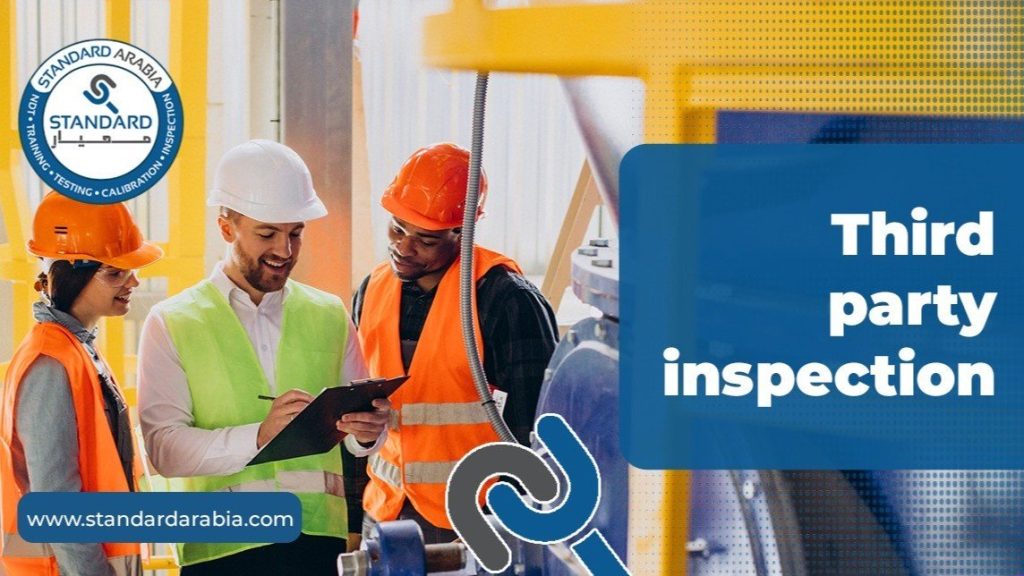
Third Party Inspections ensure objectivity and accuracy in assessing the quality and safety of products or projects. They serve as an unbiased third-party validation, providing confidence to stakeholders and clients alike. Implementing Third Party Inspections can prevent costly errors and enhance compliance with industry standards. By leveraging external expertise, companies in the Philippines can strengthen trust and guarantee high-quality outcomes.

Understanding Third Party Inspections: Why They Matter in the Philippines
Have you ever wondered how buildings stay safe, products are trusted, or projects are done right? One way to make sure everything is up to standard is through Third Party Inspections. These inspections are like having a trusted friend who checks if everything is okay, so you don’t have to worry. In the Philippines, Third Party Inspections are becoming more popular, especially when it comes to construction, manufacturing, and safety. Let’s explore what they are, why they are important, and how they help keep everyone safe and happy.
What Are Third Party Inspections?
Imagine you are building a new house. You want to make sure that the walls are strong, the roof doesn’t leak, and everything is safe for your family. You might ask someone who is not connected to the builder to check everything. That person is a third party inspector. They are independent, meaning they don’t work for the builder or the owner. Their job is to check and make sure everything follows the rules and standards.
Third Party Inspections are official checks done by independent organizations or experts. They examine products, equipment, buildings, or processes to see if they meet safety, quality, and performance standards. These inspections happen before, during, or after a project or manufacturing process. The goal is to catch problems early or prove that everything is safe and trustworthy.
Why Are Third Party Inspections Important?
1. Ensures Safety
Safety is always a big concern, especially in the Philippines where natural disasters like typhoons and earthquakes happen. Third Party Inspections help find problems in buildings or equipment before they cause accidents. When a professional checks everything carefully, you can be more confident that the place or product is safe to use.
2. Improves Quality
Third Party Inspections make sure that products and buildings are made well. If something is not up to standard, it gets fixed before it reaches you. This way, you get better, longer-lasting goods and safer buildings.
3. Builds Trust and Credibility
When companies show they have third-party inspections, it proves they care about quality and safety. Buyers and users trust products and buildings that have been checked by independent experts. This trust helps businesses grow and keeps customers happy.
4. Complies with Regulations
The Philippine government has rules and laws about building safety, product standards, and more. Sometimes, third-party inspections are required to follow these rules. This helps prevent accidents and protects everyone.
Types of Third Party Inspections in the Philippines
1. Construction Inspections
Construction inspections check that buildings, bridges, or roads are built correctly. Inspectors look at materials, work quality, and safety measures. They ensure the construction follows approved plans and local regulations. This is especially important in the Philippines where weather conditions can affect structures.
2. Product Inspections
Product inspections test manufactured goods before they reach stores or consumers. For example, electronics, toys, or food products get checked for safety, quality, and labeling. This helps protect consumers from dangerous or defective products.
3. Machinery and Equipment Inspections
Factories and companies use heavy machinery and equipment. Third-party inspectors check these tools to make sure they work properly and safely. This prevents accidents and breakdowns in factories and workplaces.
4. Environmental and Safety Inspections
These inspections look at how companies or projects affect the environment. They also check safety procedures and equipment to protect workers and nearby communities. This is very important in the Philippines where environmental issues are common.
How the Third Party Inspection Process Works
Step 1: Planning and Scheduling
The first step is to plan the inspection. The client contacts the inspection company and sets a date. They also share details about what needs to be checked.
Step 2: Inspection Preparation
Before the actual inspection, the inspector reviews plans, standards, and previous reports. They prepare tools and checklists to help them stay organized.
Step 3: Conducting the Inspection
The inspector visits the site or examines the product. They inspect carefully, take notes, and may do tests or measurements. They look for anything that doesn’t meet safety or quality standards.
Step 4: Reporting Results
After the inspection, the inspector creates a report. This report shows what was checked, findings, and recommendations. If problems are found, the client gets advice on how to fix them.
Step 5: Follow-up and Corrections
If needed, the client makes corrections or improvements. The inspector might do a follow-up check to make sure everything is now okay.
Choosing the Right Third Party Inspection Service in the Philippines
Experience and Certification
Look for companies with a good reputation and proper certifications. They should be recognized by Philippine authorities and international standards organizations.
Range of Services
Make sure the inspection company offers the services you need, whether for construction, manufacturing, or environmental checks.
Cost and Turnaround Time
Compare prices and how long the inspection takes. The goal is to get thorough checks without delays or high costs.
Customer Feedback
Read reviews or ask for references. A trusted company will have happy clients who say good things about their service.
Benefits of Using Third Party Inspections in the Philippines
- Increased safety for workers and residents
- Better quality products and structures
- Compliance with local and international standards
- Protection against legal issues and penalties
- Enhanced reputation and customer trust
- Reduced risk of accidents and failures
- Peace of mind for project owners and consumers
Challenges and Considerations
Cost of Inspection Services
While third-party inspections are valuable, they can be costly. It’s important to balance the cost with the benefits of safety and quality assurance.
Finding Reliable Inspectors
Not all inspection companies are equal. Do thorough research to find trusted and certified inspectors in the Philippines.
Understanding the Inspection Report
Inspection reports can be technical. It’s helpful to work with knowledgeable professionals who can interpret findings and advise on necessary actions.
The Future of Third Party Inspections in the Philippines
As the Philippines continues to develop, the need for third-party inspections grows. New technologies like drones, digital reports, and real-time monitoring make inspections faster and more accurate. Governments and companies are recognizing that independent checks improve safety and quality, making the country a better place to live and work.
Third Party Inspections are an important tool to keep everyone safe in the Philippines. Whether it’s building a new house, making products, or running a factory, independent inspections help catch problems early. They build trust, improve quality, and ensure that standards are met. If you are involved in any project or business, consider working with a reliable third-party inspection company. It’s a smart way to protect your investments, your people, and your reputation. Remember, safety and quality always come first!
Third Party Inspections
Frequently Asked Questions
Ano ang layunin ng third party inspection?
Nilalayon ng third party inspection na tiyakin na ang mga produkto, serbisyo, o proseso ay sumusunod sa mga pamantayan at regulasyon. Ito ay isinasagawa ng isang independyenteng ahensya upang mapataas ang kredibilidad at kaligtasan ng mga resulta.
Paano nakatutulong ang third party inspection sa negosyo?
Ang third party inspection ay nagbibigay ng unbiased na pagsusuri na tumutulong sa pagpapataas ng tiwala mula sa mga consumer at partner. Nakakatulong din ito sa pagtukoy ng mga kakulangan at pagpapabuti ng kalidad na produkto o serbisyo.
Ano ang mga karaniwang proseso sa isang third party inspection?
Kadalasan, isinasagawa ito sa pamamagitan ng pagsusuri sa dokumento, physical inspection, at pagsusukat ng mga katangian ng produkto o proseso. Pagkatapos nito, magbibigay ang inspektor ng report na naglalaman ng kanilang findings at rekomendasyon.
Sino ang pwedeng magsagawa ng ganitong klaseng pagsusuri?
Ang third party inspection ay isinasagawa ng mga accredited at independyenteng kumpanya o ahensya na walang koneksyon sa nagmamay-ari ng produkto o proseso. Mahalaga na sila ay may sapat na kakayahan at sertipikasyon.
Paano maghanda para sa isang third party inspection?
Maghanda ng lahat ng dokumento, tsekehin ang kalidad ng mga produkto, at siguraduhing nakaayos ang mga kailangang isumite. Mahalaga rin na maging handa ang inyong mga kawani sa pakikipag-usap sa inspector at sumunod sa mga itinakdang proseso.
Final Thoughts
Third Party Inspections play a crucial role in ensuring quality and safety standards are met. They provide an unbiased assessment, helping businesses avoid potential issues and costly rework. By relying on independent inspectors, companies can enhance credibility and trust with clients. Overall, incorporating Third Party Inspections strengthens compliance and guarantees that products or services meet the highest standards.
